

Understanding Operational Stress Injuries and PTSD

Service and first responder work often involve repeated exposure to high-stress, traumatic, and morally challenging situations. Over time, these experiences can affect the nervous system, emotional well-being, relationships, physical health, and sense of identity. These responses are not signs of weakness. They are often understandable reactions to prolonged exposure to operational stress and trauma.

What is an Operational Stress Injury (OSI)?
An Operational Stress Injury (OSI) is a term used to describe persistent psychological, emotional, cognitive, or physical difficulties that can develop as a result of service or public safety work. OSIs may arise from exposure to traumatic events, chronic operational stress, repeated deployments, critical incidents, moral injury, institutional betrayal, or cumulative occupational strain.
Operational Stress Injuries can affect veterans, police officers, firefighters, paramedics, correctional officers, dispatchers, and other public safety professionals.
OSIs may include conditions such as Post-Traumatic Stress Disorder (PTSD), anxiety disorders, depression, moral injury, substance use concerns, chronic stress and burnout, sleep disturbances, emotional dysregulation, and adjustment difficulties during transition to civilian life.
Understanding PTSD
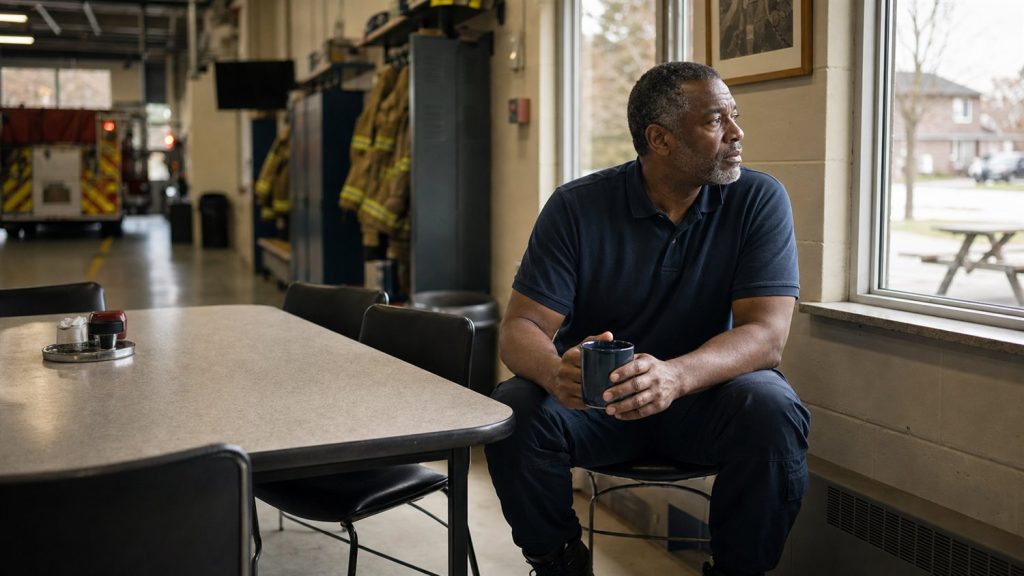
Post-Traumatic Stress Disorder (PTSD) can develop following exposure to actual or threatened death, serious injury, violence, or repeated traumatic experiences. For many veterans and first responders, trauma may result not only from a single event, but from cumulative exposure over years of service.
PTSD can affect how individuals think, feel, relate to others, and experience safety in everyday life. Many people describe feeling as though their nervous system remains “stuck in survival mode,” even long after the danger has passed.

Common Symptoms Experienced by Veterans and First Responders
Individuals experiencing operational stress injuries or PTSD may notice symptoms such as:
Emotional Symptoms
- Anxiety, panic, or constant worry
- Irritability or anger outbursts
- Emotional numbness or detachment
- Guilt, shame, or self-blame
- Depression or hopelessness
- Feeling disconnected from others
Physical Symptoms
- Chronic tension or hypervigilance
- Sleep difficulties or nightmares
- Fatigue or exhaustion
- Increased startle response
- Headaches or gastrointestinal distress
- Changes in appetite or energy levels
Cognitive Symptoms
- Difficulty concentrating
- Memory problems
- Intrusive thoughts or traumatic memories
- Racing thoughts
- Negative beliefs about self, others, or the world
Behavioural Symptoms
- Social withdrawal or isolation
- Avoidance of reminders of trauma
- Increased alcohol or substance use
- Risk-taking behaviours
- Difficulty transitioning from “work mode” to home life
- Conflict within relationships or family systems

The Unique Reality of Service
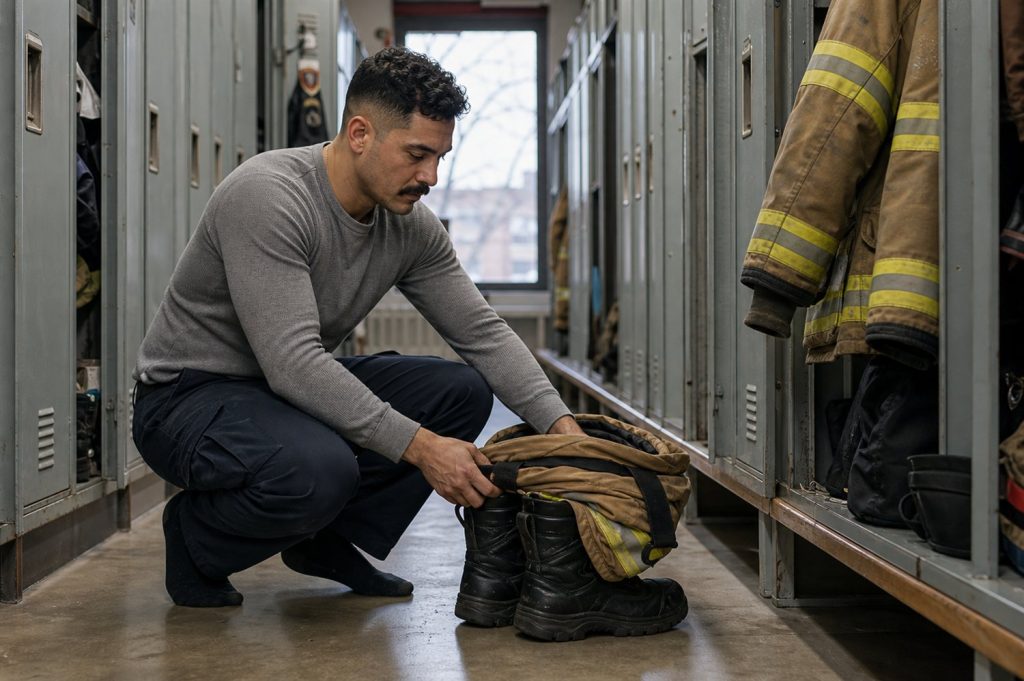
Those who serve are trained to remain mission-focused, emotionally controlled, and operationally effective during periods of extreme stress. While these adaptations are essential in service, they can become difficult to turn off once the operational environment ends.
Many individuals also carry experiences of grief, moral conflict, loss of identity, survivor guilt, or institutional betrayal that can complicate healing and transition to civilian life.

A Culturally Competent and Trauma-Informed Approach
Effective treatment requires more than simply discussing symptoms. It requires an understanding of service culture, operational demands, chain of command dynamics, cumulative trauma exposure, transition stress, and the realities of service life.
Our approach is trauma-informed, culturally competent, and grounded in respect for the lived experiences of veterans and first responders. Treatment may include psychotherapy, nervous system regulation, psychoeducation, neurofeedback, behavioural strategies, and evidence-informed trauma therapies tailored to each individual’s needs and goals.
Recovery is a Journey
Healing does not mean forgetting experiences or eliminating all stress responses. Recovery often involves restoring a sense of safety, reconnecting with identity and values, improving emotional regulation, strengthening relationships, and building a meaningful life beyond survival mode.